19.08.2026
How Much Cargo Can Fit in a Truck or Container?
When planning a shipment, one of the most common questions customers ask is: How much cargo can fit in a truck or container?
At first glance, the answer may seem simple. However, the actual capacity of a truck or container depends not only on the weight of the cargo or the available loading space.
The correct choice of equipment and the possibility of loading the cargo depend on several important factors, including weight, volume, dimensions, packaging, cargo characteristics, route, and applicable weight restrictions.
Therefore, when planning transportation, knowing only the total weight of the cargo is often not enough.
Truck Capacity
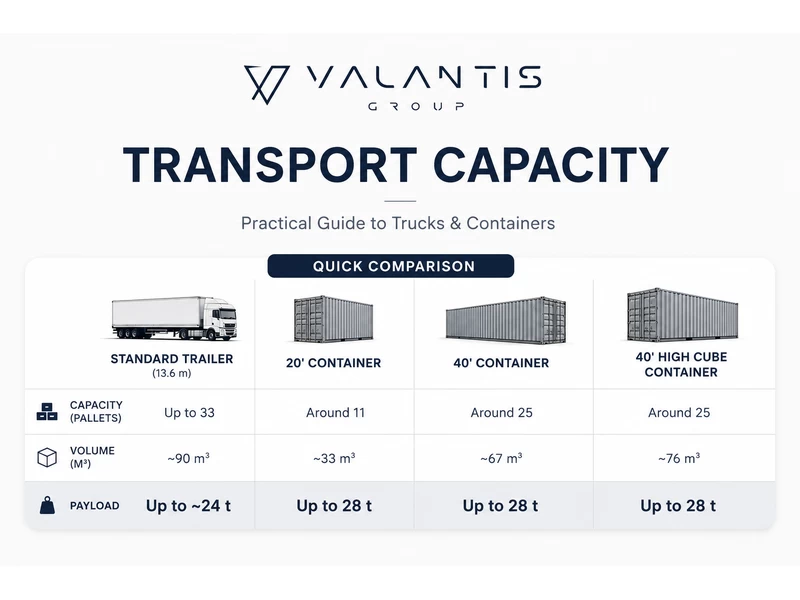
A standard curtain-side trailer usually offers approximately 80–90 m³ of loading space, although the exact capacity depends on the type and configuration of the trailer.
At the same time, using the entire available loading space does not mean that the truck can carry the maximum possible weight.
On many international routes, the practical payload of a standard trailer is around 22–24 tons. However, the permitted maximum weight may vary depending on the vehicle's technical specifications, road regulations, route, and other restrictions.
For this reason, both volume and weight need to be considered when evaluating a shipment.
For example:
- 5 tons of compact machinery may occupy relatively little space;
- the same 5 tons of large but lightweight products may occupy a significant part of the trailer.
In other words, a heavier shipment does not necessarily require more loading space.
Container Capacity
In sea freight, the most commonly used standard containers include 20-foot, 40-foot, and 40-foot High Cube containers.
20-foot container
A standard 20-foot container has an internal volume of approximately 33 m³.
Its maximum payload depends on the tare weight of the specific container, the type of container, and the transportation conditions. In many cases, it can reach approximately 25–28 tons, but the actual permitted weight should always be checked for the specific container and route.
40-foot container
A standard 40-foot container has an internal volume of approximately 67 m³.
It is generally used for cargo that requires more loading space.
It is important to note that a 40-foot container does not necessarily allow twice as much weight to be transported as a 20-foot container. In many cases, the limiting factor is not volume but the maximum permitted gross weight.
40-foot High Cube
A 40-foot High Cube container has an internal volume of approximately 76 m³.
Its additional internal height makes it particularly suitable for bulky but relatively lightweight cargo.
| Equipment | Approx. Internal Volume | Payload |
|---|---|---|
| 20' Container | ~33 m³ | Depends on container and route |
| 40' Container | ~67 m³ | Depends on container and route |
| 40' High Cube | ~76 m³ | Depends on container and route |
| Standard Trailer | ~80–90 m³ | Often around 22–24 tons |
Note: The figures above are approximate. The actual permitted payload depends on the specific equipment, cargo, route, and applicable weight restrictions.
Why Isn't Weight Alone Enough?
When planning transportation, it is important to understand the difference between volume capacity and weight capacity.
Imagine two different shipments, both weighing 10 tons.
The first may consist of dense and compact machinery and occupy only part of the available loading space.
The second may consist of large but relatively lightweight products. In this case, the same 10 tons may occupy almost the entire available loading space.
That is why selecting the right equipment requires not only the total weight, but also the total volume and dimensions of the cargo.
What Information Is Needed to Calculate the Shipment Correctly?
To select the appropriate transportation solution and calculate the cost accurately, it is recommended to provide the following information:
- Cargo description
- Number of packages or pallets
- Dimensions of each package: length × width × height
- Weight of each package
- Total gross weight
- Total volume
- Pallet dimensions
- Whether the cargo can be stacked
- Any special loading or unloading requirements
- Pickup and delivery locations
Based on this information, it is possible to determine more accurately what type of equipment is required and how the available loading space can be used most efficiently.
Truck or Container?
The choice between a truck and a container should not be based only on their volume.
For example, a 40-foot High Cube container has approximately 76 m³ of internal volume, while a standard trailer can offer around 80–90 m³.
However, this does not mean that both options are equally suitable for every shipment.
The choice may depend on:
- Pickup and delivery locations
- Route
- Transit time
- Cargo weight and volume
- Cargo dimensions
- Port availability
- Customs procedures
- Loading and unloading requirements
- Transportation cost
For example, for large-volume shipments from China to Armenia, sea or rail container transportation may be an efficient solution. For transportation between Armenia, Georgia, Russia, Europe, and other destinations, road transportation can often provide greater flexibility and door-to-door delivery.
Heavy and Oversized Cargo
Special attention is required for heavy, long, wide, or high cargo.
Even if the cargo technically fits inside a truck or container, its transportation may still be restricted by other factors.
For example, it is necessary to consider:
- Internal dimensions of the truck or container
- Door opening dimensions
- Total cargo weight
- Weight distribution across the axles
- Permitted floor load
- Loading equipment requirements
- Road and local weight restrictions
For particularly heavy or oversized cargo, it is important to assess the feasibility of transportation before final packing and booking the equipment.
Accurate Information Helps Avoid Additional Costs
Incorrect cargo dimensions or weight can lead to additional problems during transportation.
If the actual dimensions are larger than originally declared, it may be necessary to change the equipment, rearrange the cargo, or pay additional charges.
That is why providing accurate cargo information is essential when calculating transportation costs.
Accurate information → the right equipment → a more accurate quotation → fewer unexpected costs.
How to Choose the Right Transportation Solution
There is no single transportation option that is suitable for every shipment.
A shipment of 5 tons and 5 m³ may require a completely different solution from a shipment of 25 tons and 60 m³.
The same applies to palletized goods, machinery, vehicles, and oversized cargo.
The most efficient solution is determined by considering cargo weight, volume, dimensions, route, delivery timeframe, and transportation requirements.
At Valantis Group, we help customers evaluate these factors and select the most suitable transportation solution for their cargo.
06.08.2026
Why Are Sea Freight Transit Times Increasing? Market Update – August 2026
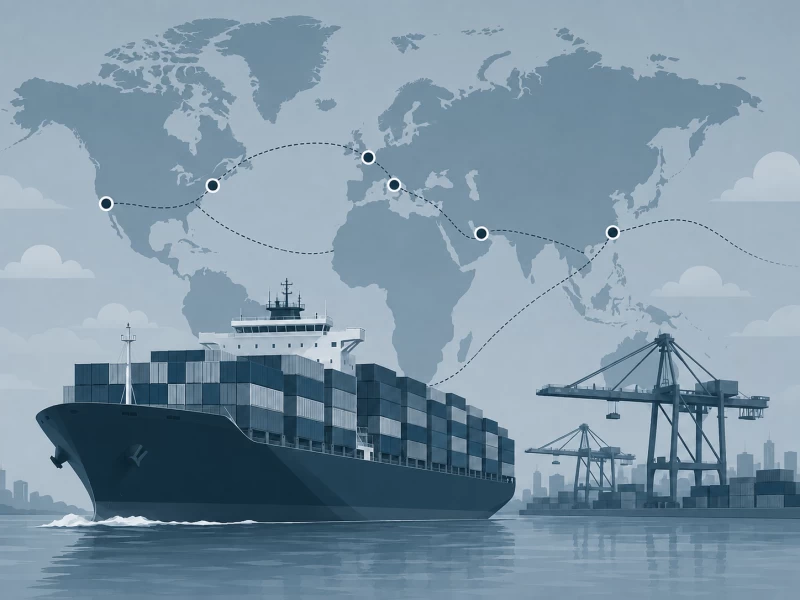
Over the past few months, many importers have noticed that sea freight transit times have become less predictable. Containers that previously arrived on schedule are now taking longer to reach their destination. This is not caused by a single issue, but by several global factors that continue to affect international shipping.
Here's what's happening in the market.
The Red Sea Situation Continues to Affect Shipping
The Suez Canal has long been the shortest and most efficient route between Asia and Europe. However, due to ongoing security concerns in the Red Sea, many shipping lines continue to avoid this route and sail around the Cape of Good Hope in South Africa instead.
Although this allows vessels to operate more safely, it also adds considerable distance to each voyage. Longer routes increase transit times, fuel consumption, and operating costs, affecting shipping schedules worldwide.
Alternative Routes Are Under Pressure
As carriers adjust their networks, more cargo is being redirected through alternative logistics corridors, including the Black Sea.
For shipments moving from China to Armenia, this means greater reliance on routes through Georgia, increasing cargo volumes across the region.
What Is Happening at Poti Port
As one of the main gateways to the Caucasus, Poti Port is handling increased cargo volumes. While operations continue as normal, higher demand can lead to longer container handling times, customs processing, and truck loading, which may affect delivery schedules to Armenia.
Peak Season Is Adding More Demand
August marks the beginning of the annual peak shipping season. Manufacturers increase exports ahead of autumn sales and the holiday period, reducing available vessel space and making schedule changes more common.
During this period, booking shipments early becomes more important than ever.
What Does This Mean for Importers?
While international shipping continues to operate, businesses should be prepared for more flexible transit times and occasional schedule changes. Planning shipments in advance, allowing extra time for delivery, and working with a reliable logistics partner can help reduce the impact of current market conditions.
Global logistics continues to evolve, and today's shipping environment requires more planning and flexibility than ever before. Understanding market changes allows businesses to make informed decisions and keep their supply chains moving efficiently.
At Valantis Group, we closely monitor market developments and work with our partners to provide the most reliable transportation solutions for our customers.
10.06.2026
New Service: Rail Freight Transportation from China to Armenia
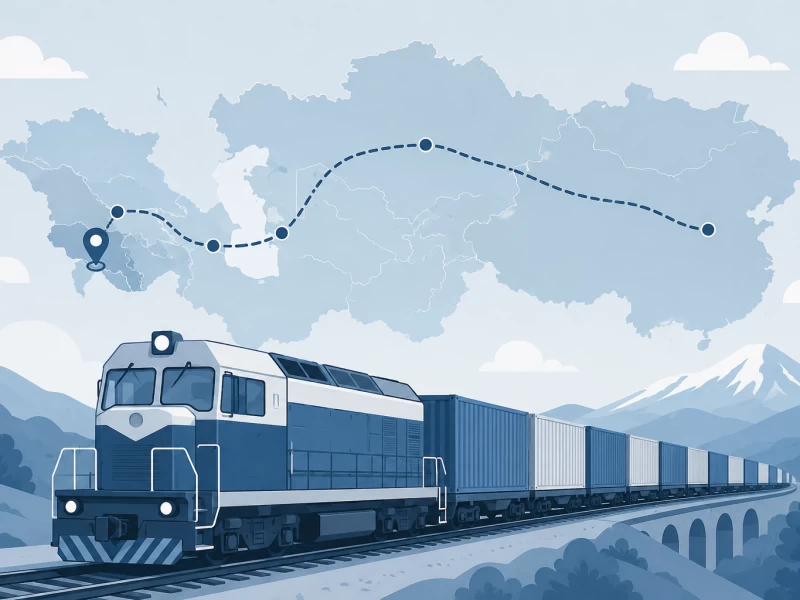
We are pleased to announce that Valantis Group continues to expand its logistics solutions by introducing a new service: rail freight transportation from China to Armenia via Georgia.
In today's global supply chain environment, businesses require transportation solutions that are reliable, cost-effective, and efficient. Rail freight has become one of the fastest-growing modes of international transportation, offering an excellent balance between transit time, cost, and reliability.
Why Choose Rail Freight Transportation?
Rail freight provides businesses with a practical alternative to traditional transportation methods, combining operational efficiency with competitive pricing.
Cost-Effective Solution
Rail transportation is often more economical than Full Truck Load (FTL) road transport, particularly for medium and large-volume shipments. This allows companies to optimize logistics costs while maintaining high service standards.
Optimized Transit Times
Rail freight offers stable and predictable transit schedules and, on certain routes, can provide faster delivery compared to road transportation. This helps businesses improve supply chain planning and inventory management.
Reliable and Consistent Operations
Unlike road transport, rail networks operate on fixed schedules, reducing the impact of traffic congestion, road restrictions, and other external factors. As a result, shipments benefit from greater predictability and reliability.
Suitable for Various Cargo Types
The service is ideal for a wide range of cargo, including consumer goods, industrial equipment, raw materials, and other commercial shipments, ensuring safe and efficient transportation from China to Armenia.
New Logistics Opportunities for Armenian Businesses
China remains one of the key sourcing markets for Armenian importers, and companies are constantly seeking transportation solutions that balance cost, speed, and reliability. Rail freight transportation offers exactly that—an efficient alternative that helps optimize logistics expenses while maintaining dependable transit times.
By expanding our service portfolio, Valantis Group continues to provide modern and flexible logistics solutions tailored to the evolving needs of businesses engaged in international trade.
22.08.2025
Insurance in Logistics: Why It Is Necessary
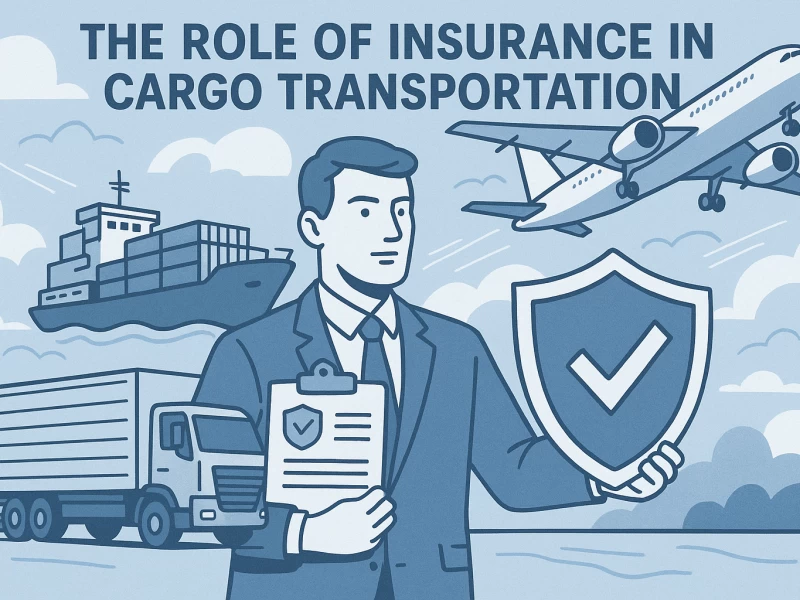
Transporting goods safely is a core part of logistics, but even the most carefully planned shipments face risks. Cargo insurance ensures that businesses are protected from financial losses due to unexpected events, making it a crucial part of modern supply chains.
Cargo insurance covers the loss or damage of goods during transportation—whether by air, sea, or land. It protects shipments against risks like accidents, theft, natural disasters, and handling errors, transferring the financial risk from the shipper to the insurer.
Common Risks in Cargo Transportation
- Accidents and collisions: Damage caused by vehicle, ship, or plane accidents.
- Theft and piracy: High-value shipments can be targeted by criminals.
- Weather-related damage: Storms, floods, or extreme temperatures may affect cargo.
- Handling errors: Improper loading, unloading, or storage can result in losses.
Types of Cargo Insurance
- All-risk coverage: Protects against nearly all causes of loss or damage, except those specifically excluded.
- Named-perils coverage: Covers only the risks listed in the policy.
- Specialized coverage: For temperature-sensitive or perishable goods requiring strict climate control.
Benefits of Cargo Insurance
- Financial security: Reduces the risk of losing money due to damaged or lost shipments.
- Peace of mind: Businesses can focus on operations knowing their cargo is protected.
- Customer trust: Insured shipments demonstrate professionalism and reliability.
- Regulatory compliance: Some countries or contracts require insured cargo.
Choosing the Right Insurance for Your Cargo
The right policy depends on factors such as the type of goods, transportation mode, route, and risk level. Partnering with an experienced logistics provider can simplify the process and ensure the best coverage.
Conclusion:
Cargo insurance is an essential part of a reliable logistics strategy. By understanding its importance and choosing the appropriate coverage, businesses can protect their investments, minimize risks, and build trust with clients worldwide.
16.12.2025
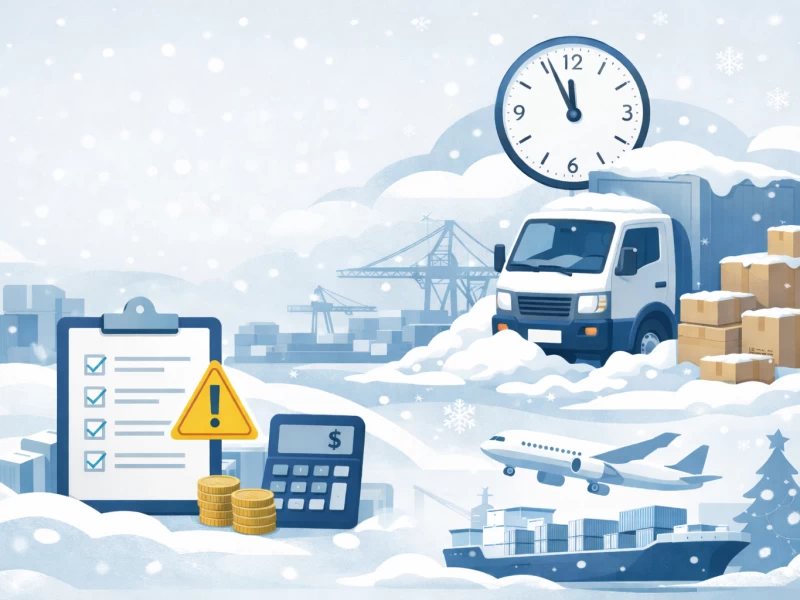
Year-End Shipping Challenges: How to Avoid Delays and Extra Costs
The end of the year is the busiest and most unpredictable period in global logistics. Demand for air freight, sea freight, and trucking rises sharply, warehouses work at maximum capacity, and even small mistakes can lead to delays and higher freight costs. Understanding these challenges helps businesses plan smarter and avoid unnecessary expenses.
Why Year-End Logistics Is So Complicated
1. Peak Season Overload
From November to January, carriers face record cargo volumes:
- limited air freight space,
- overbooked sea freight vessels,
- slower warehouse handling.
2. Increased Transportation Costs
Airlines and shipping lines apply peak-season surcharges, while warehouse and handling fees also rise.
3. Customs Congestion
More cargo = longer clearance times. Documentation errors often cause delays.
4. Weather-Related Disruptions
Winter conditions frequently affect flight schedules, vessels, and trucking routes.
Common Mistakes During Peak Season
- Booking transportation too late
- Inaccurate dimensions/weight
- Missing or incorrect documents
- Poor packaging
- No cargo insurance during the busiest period
How to Avoid Delays and Extra Costs
1. Book Space in Advance
Secure air and sea freight space 2–4 weeks ahead to avoid high rates and limited availability.
2. Double-Check Documentation
Correct invoices, packing lists, HS codes, and certificates ensure fast customs clearance.
3. Ensure Proper Packaging
Professional packing protects your cargo during heavy holiday handling.
4. Use Groupage (LCL) Services
An excellent solution for smaller shipments to reduce peak-season freight costs.
5. Stay Flexible With Dates and Routes
Alternative carriers and schedules can prevent unexpected delays.
6. Work With a Trusted Logistics Partner
A reliable freight forwarder helps secure space, manage documentation, handle customs, and solve issues quickly — a must during year-end peak season.
Conclusion
Year-end shipping is challenging, but with early planning, accurate paperwork, and professional logistics support, your cargo can move smoothly even in the busiest months. Proactive preparation helps avoid delays, reduce freight costs, and maintain reliable delivery times during the holiday rush.
05.09.2024
Transporting Dangerous Goods: What You Need to Know
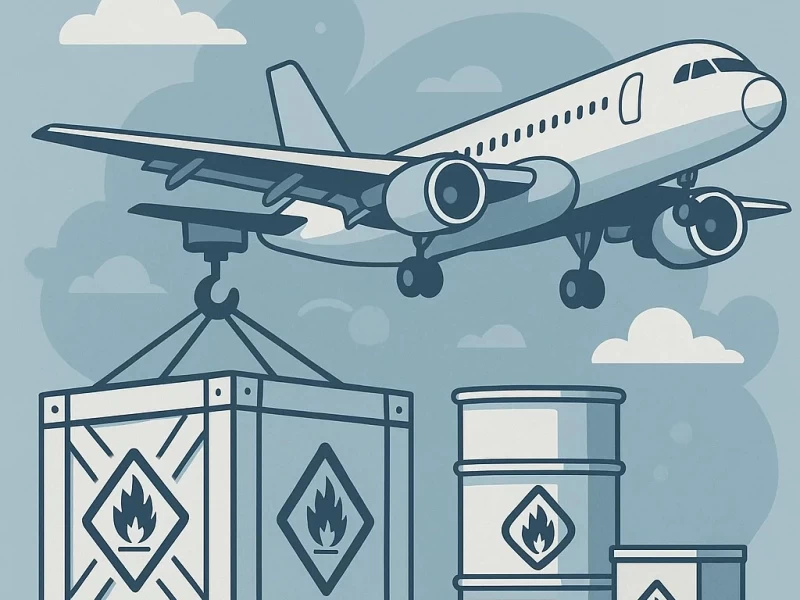
Transporting dangerous goods is a highly regulated and critical process that requires careful preparation, strict adherence to standards, and the implementation of proper safety measures. To ensure safe and compliant transportation, it’s essential to understand what dangerous goods are and the legal requirements set by international and national regulations.
What Are Dangerous Goods?
Dangerous goods are substances or items that pose risks to people, property, or the environment during transportation. These include:
- Explosives
- Gases (compressed, liquefied, flammable, or non-flammable)
- Flammable liquids
- Toxic and infectious substances
- Radioactive materials
- Corrosive substances
Each of these categories requires specialized handling and transportation procedures to ensure safety
Key Considerations Before Transporting Dangerous Goods
Regulatory Compliance
Transporting dangerous goods is governed by international agreements and local regulations to ensure safe practices.
Key international agreements include:
- ADR: Agreement concerning the International Carriage of Dangerous Goods by Road
- RID: Regulations concerning the International Transport of Dangerous Goods by Rail
- IMDG: International Maritime Dangerous Goods Code
Local laws: Each country has specific regulations complementing international norms. Before initiating transportation, ensure your goods comply with all applicable legal requirements.
Packaging and Labeling
Proper packaging and labeling are essential to prevent physical damage, leaks, and accidents. These measures must meet specific standards to ensure the safety and identifiability of the goods.
Packaging requirements:
- Protection from physical damage: Packaging must be durable enough to withstand handling and transportation.
- Leak prevention. Special packaging should prevent leakage of materials or interaction with the environment.
- You should choose appropriate packaging specifically designed for the safe transportation of the hazardous materials in question, ensuring protection against risks associated with their specific properties.
Labeling requirements:
- Classification labels: Clearly indicate the type of hazard associated with the transported goods (e.g., flammable, toxic, radioactive).
- UN number: Assign a unique identifier that specifies the type of the good.
- Informational labels: Include details about handling, storage conditions, and precautions.
3. Comprehensive Documentation
The transportation of dangerous goods requires thorough and accurate documentation to ensure the safety of the goods, compliance with legal requirements, and quick, effective response in emergency situations. These documents are not only mandatory for regulatory compliance but also serve as essential tools for all parties involved to mitigate risks and clarify responsibilities.
Key Documents
- Transport document: Includes critical information such as hazard classification, quantity, and storage conditions. Required for international transportation to inform carriers and regulatory authorities.
- Emergency Response Instructions: Contains step-by-step guidance for handling incidents such as spills, accidents, or other emergencies, aimed at minimizing risks to people and the environment.
Valentis Group: Your Trusted Partner for Dangerous Goods Transport
Valentis Group specializes in providing comprehensive logistics solutions for transporting dangerous goods. Our team:
- Assists with the preparation of all necessary documents, ensuring adherence to both international and national regulatory standards.
- Ensures that the vehicles fully comply with the specific requirements of the cargo and legally mandated safety standards, being equipped with the necessary fittings and equipment.
With Valentis Group, you can trust that your cargo will be transported safely, efficiently, and in full compliance with regulatory standards. Contact us to ensure your logistics needs are met with the highest level of professionalism.
04.09.2024
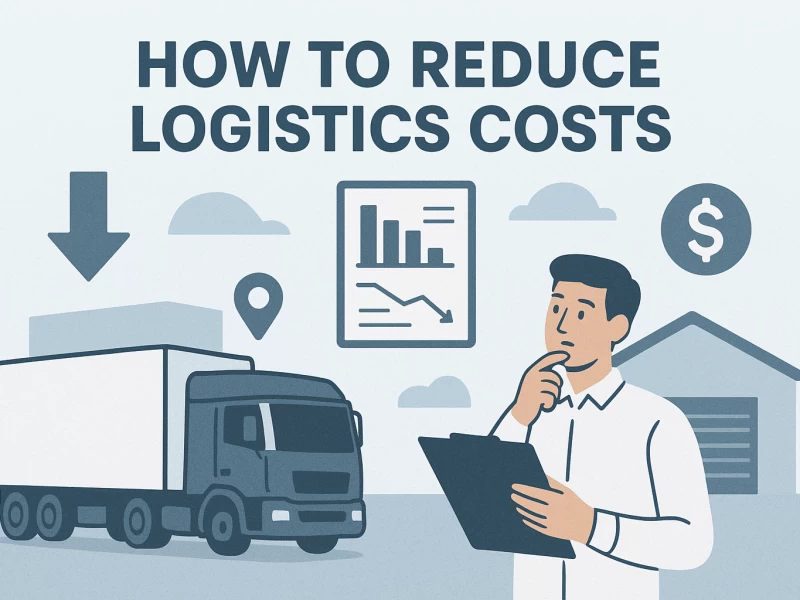
How to Reduce Logistics Costs: Practical Tips for Businesses
In today’s business environment, effective management of logistics costs is crucial for companies. It not only saves money but also enhances business competitiveness and profitability. Valantis Group, with over eight years of experience in the logistics industry, offers practical solutions to help companies reduce costs and improve efficiency.
Here are some key strategies to reduce logistics costs:
1. Utilizing Consolidated Freight
Consolidated freight allows combining multiple orders into one shipment, significantly reducing transportation expenses.This approach is particularly effective for small to medium-sized compamnies, which can incur excessive costs when shipped individually.
Valantis Group provides consolidated freight services, offering cost-effective and secure transportation solutions to its clients.
2. Optimizing Routes to Save Resources
Well-planned routes not only cut fuel costs but also speed up deliveries.
Our team helps partners choose the most efficient routes, considering traffic density and road conditions. This ensures your goods reach their destination on time with minimal expenses.
3. Efficient Management of Partner Relationships
Collaborating with reliable and experienced partners is essential for reducing risks and ensuring high-quality services. Valantis Group, utilizing its extensive partner network, enables its clients to benefit from competitive rates, advantageous terms, and a wide range of services.
Our long-term relationships with partners allow us to offer quality and cost-effective solutions, fostering the growth of your business.
4. Implementing Multimodal Transportation
Multimodal transportation combines different modes of transport to maximize efficiency and cost savings. For example, goods can be transported by sea over long distances and then distributed using road transportation.
This approach allows:
- Lowering transportation costs over long distances.
- Selecting the most economical transport options without compromising quality.
5. Efficient Warehousing Management
Warehousing is a key component of logistics cost management.
A well-located and optimally utilized warehouse reduces transportation expenses, accelerates deliveries, and ensures the secure storage of goods.
Effective planning helps avoid unnecessary costs and ensures timely distribution. Valantis Group assists in organizing transfers to and from warehouses, ensuring a seamless and efficient process.
Reducing logistics costs requires systematic planning and the development of practical, applicable solutions.
With its experience and expertise, Valantis Group helps businesses optimize costs and improve the efficiency of their transportation operations.
05.09.2024
Understanding Incoterms: Key Terms and Their Meaning
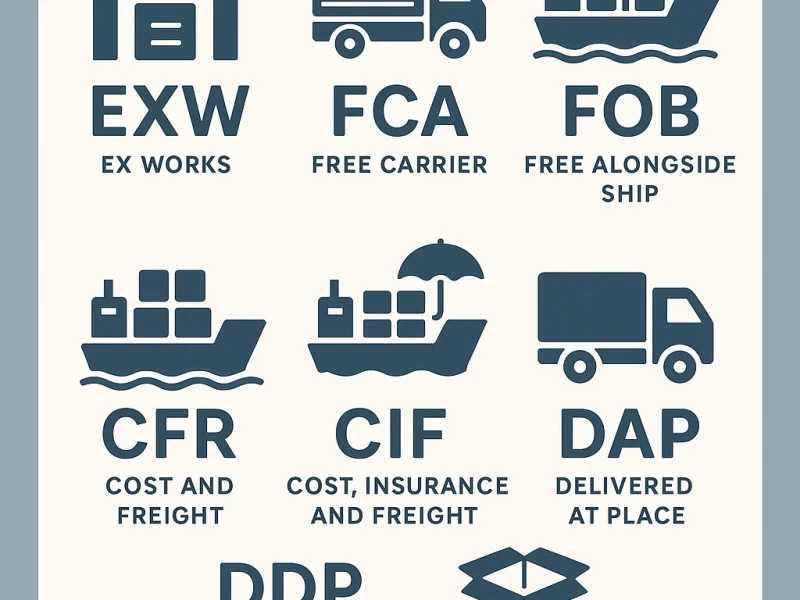
Incoterms (International Commercial Terms) are standardized terms developed by the International Chamber of Commerce to clarify the responsibilities of sellers and buyers. They enable the parties to determine who is responsible for the costs and risks associated with transporting goods, thereby reducing disputes and uncertainties.
These contractual terms are commonly used in import and export transactions. While many Incoterms apply to all modes of transportation, some are specific to particular types of shipping methods. Below is an overview of the key Incoterms and their definitions:
EXW (Ex Works)
The seller makes the goods available at their premises or another specified location, such as a factory or warehouse. The buyer assumes responsibility for all transport and customs clearance costs, as well as the risks involved in moving the goods.
FCA (Free Carrier)
The seller transfers the customs-cleared goods to the carrier, carrying out loading in his territory.
FAS (Free Alongside Ship)
The seller delivers the goods to the ship, after which all costs and risks pass to the buyer. This term is used exclusively for waterway transport.
FOB (Free on Board)
The seller bears the costs of transporting the goods to the specified port, after loading the risks pass to the buyer
CFR (Cost and Freight)
The seller arranges and pays for the transportation to the selected location, and the risks are transferred to the carrier.
CIF (Cost, Insurance, and Freight)
Similar to CFR, but the seller also provides insurance for the goods until they reach the prediscussed port.
CPT (Carriage Paid To)
The seller arranges and pays for the transportation of the goods to the specified destination, while the risks transfer to the buyer when the goods are handed over to the carrier.
CIP (Carriage and Insurance Paid To)
Similar to CPT, but the seller also provides insurance for the goods until they reach the specified destination.
DAT (Delivered at Terminal)
The seller is responsible for all risks and costs associated with delivering the goods, unloaded, at the specified terminal.
DAP (Delivered at Place)
The seller is responsible for delivering the goods to the specified location, but unloading is not included.
DDP (Delivered Duty Paid)
The seller bears all costs, including import duties, to deliver the goods to the buyer at the specified destination.
Selecting the appropriate Incoterm ensures clarity, safety, and efficiency in your international trade operations. By clearly defining responsibilities, costs, and risks, Incoterms facilitate smoother transactions and minimize misunderstandings between trading partners.
28.02.2025
Ի՞նչ ապրանքներ ներմուծելիս է ՀՀ-ում գործում հարկային արտոնություններ

04.09.2024
Air, Sea, and Land Freight: Choosing the Right Option for Your Business
In today’s fast-paced world, choosing the right logistics strategy can be the key to unlocking global market opportunities. Whether by air, sea, or land, the right freight method can empower your business to reach new customers worldwide, streamline your supply chain, and stand out in competitive markets. Each transportation mode offers unique advantages depending on your needs—be it speed, cost-efficiency, or flexibility.
With Valantis Group’s expert guidance, you can make the right choice to expand your reach and elevate your logistics strategy. Here’s how each option can support your journey toward global success.
Air Freight
Air freight is the fastest option, ideal for time-sensitive and high-value shipments. Valantis Group provides reliable and secure air freight services, ensuring that your goods reach their destination as quickly as possible, even across long distances.
Advantages of Air Freight:
- Speed: Air freight is the fastest delivery method, perfect for urgent shipments.
- Security: Airports enforce strict security protocols, significantly reducing the risk of damage or loss. This method also enables precise scheduling, allowing for an exact arrival date to be determined in advance.
- Global Reach and Tracking: With comprehensive tracking capabilities, air freight provides transparency and accessibility for international deliveries.
When to Choose Air Freight: Valantis offers the ideal solution for businesses needing fast, dependable delivery of high-value or time-sensitive goods. With direct partnerships across major airlines, we ensure streamlined routes and efficient handling. Explore our Air Freight Services to see how we can meet your urgent shipping needs with precision and reliability.
Sea Freight
Sea freight is one of the most cost-effective ways to transport large shipments over long distances, making it ideal for businesses looking to optimize costs for bulk goods without urgent delivery requirements. Valantis Group offers versatile sea freight services, including both Full Container Load (FCL) and Less than Container Load (LCL) options to meet diverse business needs—whether you're shipping full containers or smaller, direct deliveries.
Advantages of Sea Freight:
- Cost Efficiency: Sea freight is generally the most economical option for bulk shipments.
- Capacity: Large shipping containers allow you to transport oversized and heavy items affordably, while LCL options enable sharing space with other companies
- Versatility: Sea freight accommodates various types of cargo, including hazardous materials, oversized goods, and heavy equipment.
When to Choose Sea Freight: Sea freight is ideal for large, non-urgent shipments. If you are transporting high-volume items like industrial goods, raw materials, or other large cargo, this is the best choice. For more information, visit our Sea Freight Services.
Land Freight
Land freight is best suited for regional deliveries and is often used in combination with air or sea freight for end-to-end logistics solutions. Valantis Group’s land freight services provide safe, reliable, and efficient transportation for both short and medium distances.
Advantages of Land Freight:
- Flexibility: Land freight offers the ability to transport both small and large shipments and adapt to specific business needs.
- Accessibility: Door-to-door service is often available, making land freight ideal for regional and local distribution.
- Efficient for Short Distances: This method is cost-effective for short-to-medium distance routes and domestic deliveries.
Land transport is ideal for regional deliveries and is often used as a complementary method alongside air or sea freight to ensure the safe and timely delivery of cargo to its final destination. Valantis Group owns a fleet of trucks, enabling us to provide reliable land transport services at competitive rates.
Choosing the Right Freight Option with Valantis Group
Choosing the ideal transportation method for your business involves balancing delivery speed, cost, cargo size, and destination. Valantis Group goes beyond standard air, sea, and land freight by offering fully integrated multimodal logistics solutions. From FCL and LCL services to seamless multimodal options that cover every step of your supply chain, we provide tailored solutions to meet your specific requirements.
Our team of specialists is ready to evaluate each case individually and design the optimal logistics strategy for your needs. With direct partnerships and dedicated support, we’re here to guide you from initial setup through to smooth, efficient delivery. For more details on how Valantis Group can support your logistics strategy, visit our Services Page or contact us.