06.08.2026
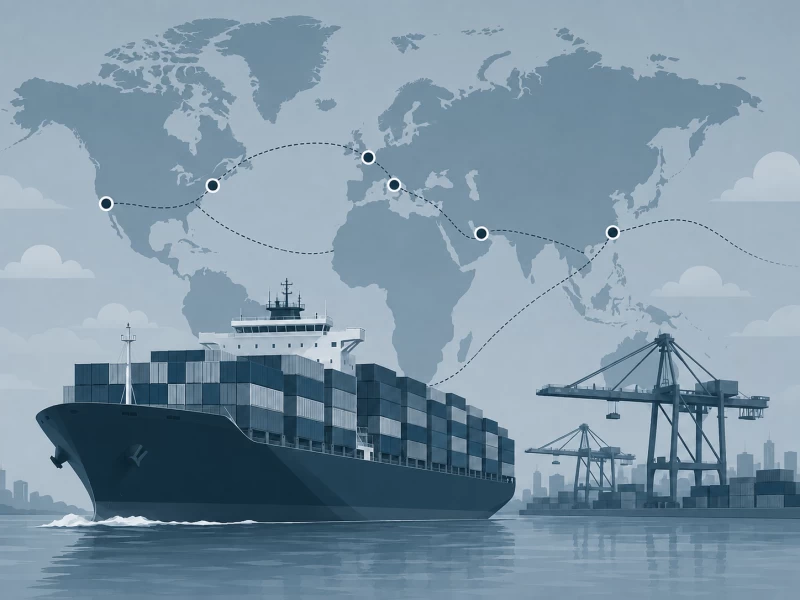
Over the past few months, many importers have noticed that sea freight transit times have become less predictable. Containers that previously arrived on schedule are now taking longer to reach their destination. This is not caused by a single issue, but by several global factors that continue to affect international shipping.
Here's what's happening in the market.
The Red Sea Situation Continues to Affect Shipping
The Suez Canal has long been the shortest and most efficient route between Asia and Europe. However, due to ongoing security concerns in the Red Sea, many shipping lines continue to avoid this route and sail around the Cape of Good Hope in South Africa instead.
Although this allows vessels to operate more safely, it also adds considerable distance to each voyage. Longer routes increase transit times, fuel consumption, and operating costs, affecting shipping schedules worldwide.
Alternative Routes Are Under Pressure
As carriers adjust their networks, more cargo is being redirected through alternative logistics corridors, including the Black Sea.
For shipments moving from China to Armenia, this means greater reliance on routes through Georgia, increasing cargo volumes across the region.
What Is Happening at Poti Port
As one of the main gateways to the Caucasus, Poti Port is handling increased cargo volumes. While operations continue as normal, higher demand can lead to longer container handling times, customs processing, and truck loading, which may affect delivery schedules to Armenia.
Peak Season Is Adding More Demand
August marks the beginning of the annual peak shipping season. Manufacturers increase exports ahead of autumn sales and the holiday period, reducing available vessel space and making schedule changes more common.
During this period, booking shipments early becomes more important than ever.
What Does This Mean for Importers?
While international shipping continues to operate, businesses should be prepared for more flexible transit times and occasional schedule changes. Planning shipments in advance, allowing extra time for delivery, and working with a reliable logistics partner can help reduce the impact of current market conditions.
Global logistics continues to evolve, and today's shipping environment requires more planning and flexibility than ever before. Understanding market changes allows businesses to make informed decisions and keep their supply chains moving efficiently.
At Valantis Group, we closely monitor market developments and work with our partners to provide the most reliable transportation solutions for our customers.